

Forehead wrinkles, those horizontal creases that grace our brows as we age, can be a source of insecurity for many. While they are a natural part of the aging process, there are options available to soften their appearance. Fillers for forehead wrinkles have become a popular solution, offering a non-surgical way to achieve a smoother, more youthful look.
This article delves into the world of fillers for forehead wrinkles, exploring:
The different types of fillers available
How fillers work to address wrinkles
What to expect during a filler treatment
The results you can achieve
Potential side effects and safety considerations
How much fillers for forehead wrinkles typically cost
By the end of this comprehensive guide, you’ll be well-equipped to determine if forehead wrinkle fillers are the right choice for you.
Understanding forehead wrinkles
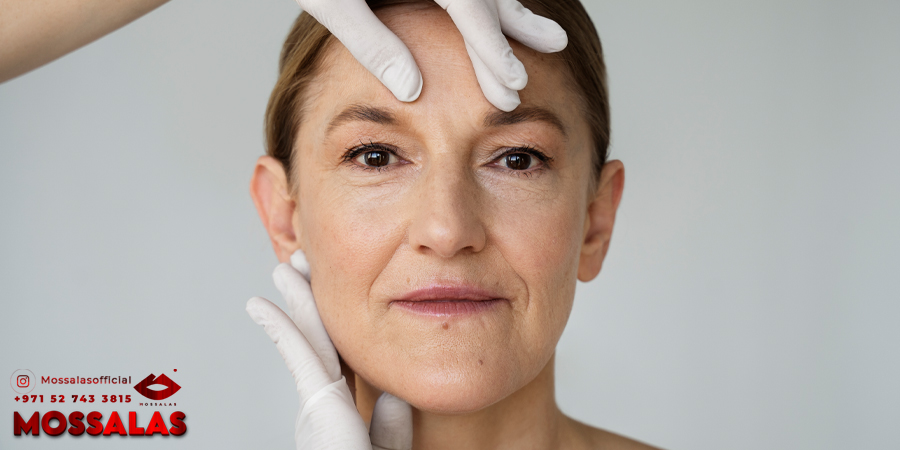
Forehead wrinkles come in two main forms:
Static wrinkles: These lines are present even when your face is at rest. They are caused by a loss of collagen and elastin, the proteins that provide your skin with structure and elasticity.
Dynamic wrinkles: These wrinkles appear only when you make facial expressions, such as raising your eyebrows. They are caused by repeated muscle contractions.
Filler treatments primarily target static wrinkles, plumping up the skin to smooth out their appearance.
Types of Fillers for Forehead Wrinkles
Several types of fillers can be used to address forehead wrinkles. The most common ones include:
Hyaluronic acid (HA) fillers: HA is a naturally occurring substance in the skin that attracts and binds water molecules. HA fillers, such as Juvéderm, Restylane, and Belotero, are a popular choice for forehead wrinkles due to their:
Soft, natural-looking results
Relatively temporary nature (lasting 6-18 months), allowing for adjustments over time
Safety profile, as HA is a biocompatible substance
Calcium hydroxylapatite fillers: Radiesse is a calcium hydroxylapatite filler that stimulates collagen production alongside adding volume. It can offer longer-lasting results (up to 2 years) compared to HA fillers.
Poly-L-lactic acid (PLLA) fillers: Sculptra is a PLLA filler that works by gradually stimulating collagen growth over several months. It can provide long-lasting wrinkle reduction (up to 2 years) but requires multiple treatment sessions for optimal results.
How fillers work for forehead wrinkles
The specific way fillers work depends on the type of filler used:
HA fillers: Injecting HA plumps up the skin by attracting and binding water molecules. This added volume fills in wrinkles, creating a smoother appearance.
Calcium hydroxylapatite fillers: Radiesse works in two ways. It immediately adds volume to fill wrinkles, and it stimulates the body’s natural collagen production over time. Collagen provides ongoing support to the skin, helping to maintain wrinkle reduction.
PLLA fillers: Sculptra doesn’t provide immediate wrinkle filling. Instead, it stimulates the skin to produce more collagen over several months. This gradual collagen growth leads to a natural-looking reduction in wrinkles.
What to expect during forehead wrinkle filler treatment
A consultation with a board-certified dermatologist or plastic surgeon is crucial before undergoing any filler treatment. During the consultation, the doctor will:
Discuss your cosmetic goals and expectations
Evaluate your medical history and suitability for fillers
Recommend the most appropriate type of filler for your needs
Explain the procedure and potential side effects
The actual filler injection process is typically:
Relatively quick, taking about 15-30 minutes
Performed on an outpatient basis, requiring no anesthesia beyond a topical numbing cream
Involves injecting small amounts of filler into specific points in the forehead
Following the injection, you may experience mild swelling, redness, or bruising at the injection site. These side effects typically resolve within a few days.
Achievable results with forehead wrinkle fillers
Fillers can effectively reduce the appearance of moderate to severe forehead wrinkles. The results can be dramatic, offering a smoother, more youthful look. However, it’s important to have realistic expectations. Fillers cannot completely erase wrinkles, and their effects are temporary.
Potential Side Effects and Safety Considerations
Filler treatments are generally safe when performed by a qualified healthcare professional. However, as with any medical procedure, there are potential side effects, including:
Temporary swelling, redness, or bruising at the injection site
Infection
Asymmetry
Allergic reaction (rare)
To minimize the risk of complications, it’s crucial to choose a board-certified dermatologist or plastic surgeon experienced in facial filler injections.
Cost of Fillers for Forehead Wrinkles
wrinkles varies depending on several factors, including:
Geographic location: Costs can differ based on the doctor’s practice location and cost of living in the area.
Type of filler used: Different fillers have varying costs. HA fillers are typically on the lower end, while PLLA fillers tend to be more expensive.
Amount of filler needed: The deeper your wrinkles and the desired level of correction will determine the amount of filler used, impacting the total cost.
Doctor’s experience and expertise: Board-certified dermatologists or plastic surgeons with extensive experience in facial fillers may charge more than those with less experience.
A general estimate for fillers for forehead wrinkles can range from $1,000 to $3,000 per treatment session. Keep in mind that this is just an estimate, and the actual cost can be higher or lower depending on the factors mentioned above.
Remember: consultation is key
Before undergoing any filler treatment, it’s advisable to schedule a consultation with a qualified healthcare professional. During the consultation, you can discuss your concerns, desired results, and budget openly. The doctor can then provide a personalized estimate for your specific needs.
Additional Considerations
Filler longevity: As discussed earlier, filler results are temporary. The duration of effects depends on the type of filler used. HA fillers typically last 6-18 months, while calcium hydroxylapatite and PLLA fillers can provide results lasting up to 2 years.
Maintenance treatments: To maintain wrinkle reduction, you will likely need repeat filler treatments once the effects of the initial session wear off.
Fillers for forehead wrinkles offer a non-surgical option to achieve a smoother, more youthful appearance. By understanding the different types of fillers, how they work, and what to expect during treatment, you can make an informed decision about whether this approach is right for you. Remember, consult with a board-certified dermatologist or plastic surgeon to discuss your goals, suitability for fillers, and receive a personalized treatment plan and cost estimate.


